The Short Answer
Wax play is a form of temperature play in which warm, melted candle wax is dripped onto a consenting partner's skin, creating a brief flash of heat that fades into a soothing calm. Wax play is only safe with low-temperature candles made for the body, such as soy massage candles, and a skin test before every scene.
Wax play is one of the more accessible kinds of sensation play, but accessible does not mean casual: the safety of the whole scene hinges on the candle.
Purpose-made low-temperature candles feel intense without injuring the skin, while ordinary household candles and beeswax can cause real burns. This guide is for consenting adults who want to try wax play safely.
It explains which candles are safe and which are dangerous, how drip distance changes the heat, why you test the temperature on yourself every time, how to set up and negotiate a scene, how to remove the wax, and what aftercare looks like.
It also covers where adult AI roleplay fits in, which is for fantasy rather than safety facts. The information is frank and practical, with no shame attached.
What Is Wax Play?
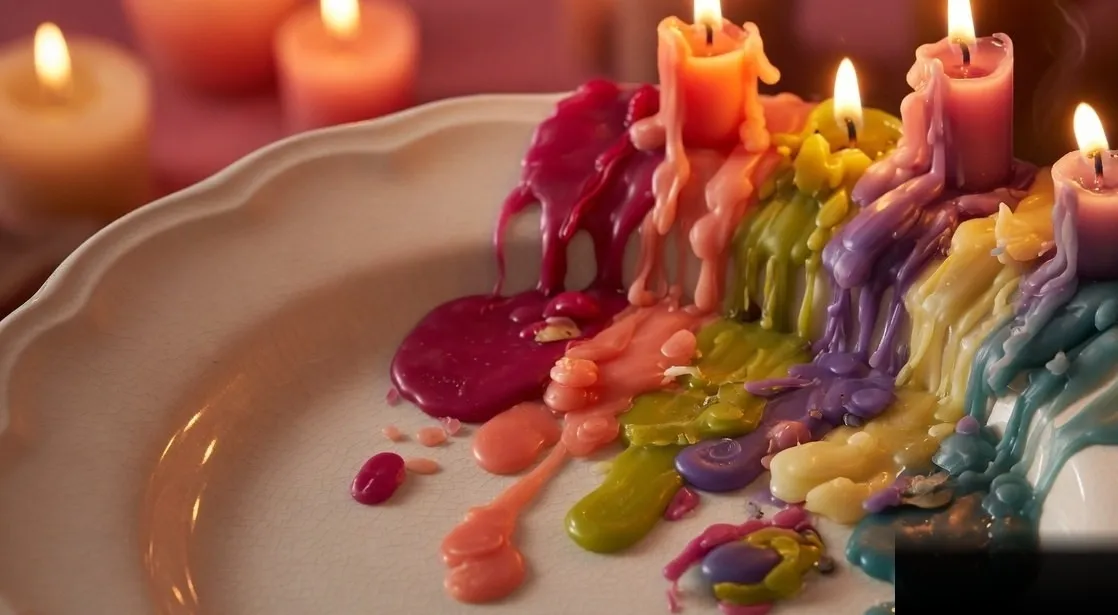
Wax play is the consensual practice of dripping or pouring warm, melted candle wax onto a partner's skin for sensation.
Wax play is a type of temperature play, the wider category of kink that uses heat and cold to create vivid, attention-grabbing feelings on the body.
The appeal is the contrast. A drop of wax lands with a sudden flash of warmth, stings briefly as it cools and tightens, then settles into a spreading, almost meditative calm as it hardens.
For many people the anticipation between drips matters as much as the heat itself.
Wax play often pairs with blindfolds, light bondage and other forms of sensation play, where removing sight sharpens every other feeling.
A scene can be slow and sensual or sharper and more intense, depending on the candle, the height of the pour and where the wax lands. Wax play doesn't have to involve pain at all: with the right candle, warmth is the dominant sensation.
Wax play is also a skill rather than just an act.
The difference between a memorable scene and a trip to urgent care comes down almost entirely to equipment and technique, and understanding how heat behaves as wax travels through the air is what separates responsible play from a real injury.
Which Candles Are Safe for Wax Play?
Only low-temperature candles designed for the skin, such as soy massage candles or paraffin sold specifically for wax play, are safe; ordinary household candles and beeswax are not.
Waxes melt at very different temperatures, and a few degrees can be the difference between pleasant warmth and a blister.
| Wax type | Relative melt temperature | Safe for skin? |
|---|---|---|
| Soy massage candles | Lowest | Yes. Purpose-made body candles melt into a warm, conditioning oil and are the safest beginner choice. |
| Low-temperature paraffin (play candles) | Low | Yes. Paraffin sold for wax play is formulated to melt cooler than ordinary paraffin. |
| Ordinary paraffin and household candles | Higher | No. Standard tapers, jar candles and tealights melt hot enough to burn skin. |
| Beeswax | Highest of the common waxes | No. Beeswax has a notably high melting point and can cause serious burns. |
Two further hazards are worth knowing:
- Scented and dyed candles. Added fragrance oils and colourants can raise the burn risk, irritate the skin and trigger allergic reactions, especially on sensitive areas. Keep them off bare skin.
- Anything that isn't a candle. No hot oil from the stove, no melted glue, no improvised heat source. If a product isn't sold and labelled for body or massage use, treat it as unsafe for wax play.
How Does Drip Distance Change the Heat?
The higher you hold the candle, the cooler the wax is when it lands, because melted wax loses heat as it falls through the air.
Drip distance is the main variable you control in real time, which makes it the way to raise or lower intensity mid-scene, even with a safe candle.
| Technique | Effect on the skin |
|---|---|
| High pour, a foot or more above the skin | Cooler, gentler drops that spread out. The place to start. |
| Low pour, close to the skin | More concentrated heat with less time to cool. Move closer gradually, never abruptly. |
| Thin trickle | Cools faster than a thick stream. |
| Pooled wax | Stays warm longer than a single thin drip. |
Heat is cumulative, so build slowly and watch how your partner responds. Placement is part of temperature management as well.
The back, chest, stomach and tops of the thighs are common, relatively forgiving zones with more padding and fewer delicate structures. Keep wax away from the face, eyes, genitals, broken or irritated skin, and any area with thin or sensitive tissue.
When in doubt, raise the candle, slow down and check in.
Why Do You Need a Skin Test Before Wax Play?
A skin test, which means dripping a little wax onto your own inner forearm or wrist from the height you plan to use, is the simplest reliable way to confirm the wax is warm rather than burning.
Do one every session, with every candle, even a candle that worked perfectly last time.
- Test at your planned height. Drip onto the inside of your own forearm or wrist from the same distance you intend to use on your partner.
- Judge honestly. If the wax makes you flinch or feels genuinely hot rather than warm, raise the candle, let it cool, or stop and reassess.
- Remember that heat changes. A candle that has burned for a while can pool hotter wax near the flame, and the first drops may carry heat differently from later ones.
Burn temperature can also vary between candles and batches, and everyone's heat tolerance and skin sensitivity differ, so what felt mild on you can be too much for someone else. Treat the test as a ritual, not an optional extra.
Have safety basics within arm's reach before you begin: a damp towel or a bowl of water to soothe skin and douse the flame, and a clear surface with nothing flammable nearby.
Combining an open flame with bare skin makes wax play one of the few kinks where a first-aid mindset genuinely belongs in the room.
How Do You Set Up and Negotiate a Wax Play Scene?
Wax play starts with a conversation, not the candle: partners agree on body areas, how intense the heat should be, how they will check in, and a safeword before anything is lit. Because wax play involves heat and sometimes restraint, a clear safeword is essential.
The traffic-light system (green to continue, yellow to ease off, red to stop) is widely used and easy to remember, and a partner who is gagged or restrained needs a non-verbal signal, such as dropping a held object.
Then prepare the space:
- Protect surfaces. Lay down an old sheet, towel or drop cloth, because wax will get on bedding and furniture.
- Manage the flame. Clear away anything flammable, tie back loose hair and fabric, and keep the lit candle stable and away from the edge of the bed.
- Decide about body hair. Wax sticks to hair and can be uncomfortable to remove, so many people trim, shave or oil the area in advance. The choice is personal.
Start small: one tested candle, one forgiving body zone and a few drips from a safe height. There's no need to cover anyone head to toe on a first attempt, and building familiarity slowly is both safer and, for most people, more enjoyable.
How Do You Remove Wax After Wax Play?
Let the wax cool and harden, then peel or gently crack it off by hand, using a blunt-edged tool if needed and never anything sharp. Massaging the skin as you go turns removal into part of the wind-down.
If wax is stuck to body hair, warming it slightly or working oil in around the edges helps it lift without yanking.
Soy massage candles have a built-in advantage: they melt into a body-safe oil that largely absorbs or wipes away. Low-temperature paraffin leaves more solid residue.
Whatever you used, finish by checking the skin for redness, irritation or any spot that got too hot.
Treat anything that looks like a minor burn the way you would any small burn, with cool water and a clean dressing, and get medical advice if you're unsure.
For surfaces, let stray wax harden, scrape off the bulk, then lift the rest from washable fabric with gentle heat and a cloth. Planning the cleanup in advance keeps the comedown relaxed instead of turning it into a frantic scrub.
What Aftercare Does Wax Play Need?
Aftercare for wax play means soothing the skin, checking for hot spots, and giving both partners a calm emotional wind-down. Intense sensation can leave people feeling tender, vulnerable or wired, and aftercare helps everyone return to a grounded baseline.
- Physical care: inspect the skin, apply a cool cloth or gentle moisturiser to any warm spots, and offer water, warmth and comfort.
- Emotional care: reassurance and a quiet debrief about what felt good and what to adjust next time build trust and make future scenes better.
The person doing the dripping can experience a comedown too, so care should flow in both directions.
Skipping aftercare is a common beginner mistake that can turn an otherwise positive experience into a confusing one, and a few minutes of genuine attention at the end is what leaves both partners feeling cared for.
Is AI Roleplay a Safe Way to Explore Wax Play?
AI roleplay is a safe way to explore the fantasy of wax play, since nothing in a chat window can burn anyone, but it is not a reliable source of safety facts.
Use roleplay for imagination, and use the guidance above and the candle's own label for anything physical.
What text roleplay captures well is atmosphere, and atmosphere is a large part of wax play's appeal: candlelight, a blindfold, the pause before each drop, the contrast between heat and calm.
Candy AI offers pre-built roleplay scenarios and lets you set up custom scenes, which suits a slow, sensory scenario you can describe and adjust as you go.
The most useful outcome is clarity about which part of the fantasy matters most to you, whether that's the anticipation, the trust, the sensation or the power dynamic, so you can explain it to a partner.
Two cautions matter more here than for most kinks:
- Don't take technique from a chatbot. An AI character is built to tell a story, and it may describe a candle, a pour height or a body area that would burn real skin. Candle type, drip distance and skin tests should come from this guide and the product label, never from a roleplay.
- Physical wax play needs a real, consenting partner, plus a tested body-safe candle, water within reach and a cleared space. No app can see your partner's skin or hear them call yellow.
Keep any roleplay to adult, fictional characters, and never base a character on a real person.
Frequently Asked Questions
Use candles sold specifically for body or massage use: soy massage candles, which melt the coolest and turn into a skin-friendly oil, or low-temperature paraffin made for play.
Ordinary tapers, jar candles, tealights, beeswax and heavily scented or coloured candles run too hot or irritate skin.
Beeswax has the highest melting point of the common candle waxes, so it is still hot enough to cause serious burns when it reaches the skin.
A natural-sounding wax is not the same as a skin-safe one; for wax play, choose a purpose-made soy or low-temperature paraffin candle.
Start with the candle a foot or more above the skin, where the wax has time to cool as it falls. Move closer only gradually, once a skin test and your partner's feedback say the heat is comfortable, because lower pours land hotter and sharper.
With a body-safe candle and a high pour, wax play mostly feels like a quick flash of warmth followed by calm rather than pain.
Closer pours make it sharper, and some people enjoy that, but the intensity is always adjustable and set by the person receiving.
Stop the scene, cool the area with cool water and cover it with a clean dressing, as you would any small burn. If you're unsure how serious it is, get medical advice. Before playing again, review the candle type and pour height that caused it.
Scented and dyed candles are best kept off bare skin. Fragrance oils and colourants can raise the burn risk and cause irritation or allergic reactions, particularly on sensitive areas. Save them for the room and use an unscented, body-safe candle for the drips themselves.
Wrapping Up
Wax play is a vivid, beginner-friendly way into temperature play, and its safety rests on one decision: the candle. Soy massage candles and low-temperature play candles melt at skin-safe temperatures, while household candles, beeswax and scented candles have no place on bare skin.
Beyond that, the fundamentals match any kink. Negotiate first, test the heat on yourself, drip from a sensible height onto forgiving zones, keep water within reach, and look after each other when the scene ends.
Start with a single tested candle and a small patch of skin, and build confidence slowly. For more ways to play with contrast and touch, read our guide to sensation play.