The Short Answer
Bondage is the consensual practice of restricting a partner's movement for sensory, emotional, or erotic enjoyment, using cuffs, soft ties, bondage tape, or rope. It is the 'B' in BDSM. Safe bondage means a safeword, safety shears within reach, frequent circulation and nerve checks, and never leaving a restrained person alone.
For many adults, bondage is the most approachable entry point into kink because the appeal is intuitive: the trust it takes, the release of giving up control, and the focused attention of being held in place.
Bondage ranges from a silk scarf around the wrists to elaborate decorative rope, but the rules that keep it safe stay the same at every level.
This page covers the main types of restraint and how much skill each needs, the physical risks that genuinely matter (nerve compression and restricted circulation chief among them), the safety habits experienced practitioners treat as non-negotiable, beginner gear, common myths, and how people explore restraint themes in AI roleplay before trying anything physical.
The goal is accurate, judgment-free information for consenting adults.
What Is Bondage?
Bondage is the consensual restriction of a partner's movement for sensory, emotional, or erotic enjoyment. Bondage is the 'B' in BDSM, an umbrella term that covers Bondage and Discipline, Dominance and Submission, and Sadism and Masochism.
The restraint can be physical, with rope, cuffs, or cloth holding the body in place, or lighter and more symbolic, where the restriction is gentle but the psychological effect of being held is the point.
Part of bondage's wide appeal is that the experience is easy to understand. For the person being restrained, it can mean surrender, vulnerability, and the freedom of not being in control.
For the person doing the restraining, it can mean focus, care, and a different kind of intimacy. Many people also enjoy the aesthetic and sensory side: the feel of rope against skin, or the visual beauty of a well-tied pattern.
Above all, bondage is defined by consent and communication. Restraint without enthusiastic agreement is not kink; it is harm.
Everything that follows, from the types of restraint to the safety rules and gear, exists to keep restraint play firmly on the side of consensual, negotiated enjoyment between adults.
What Are the Main Types of Bondage?
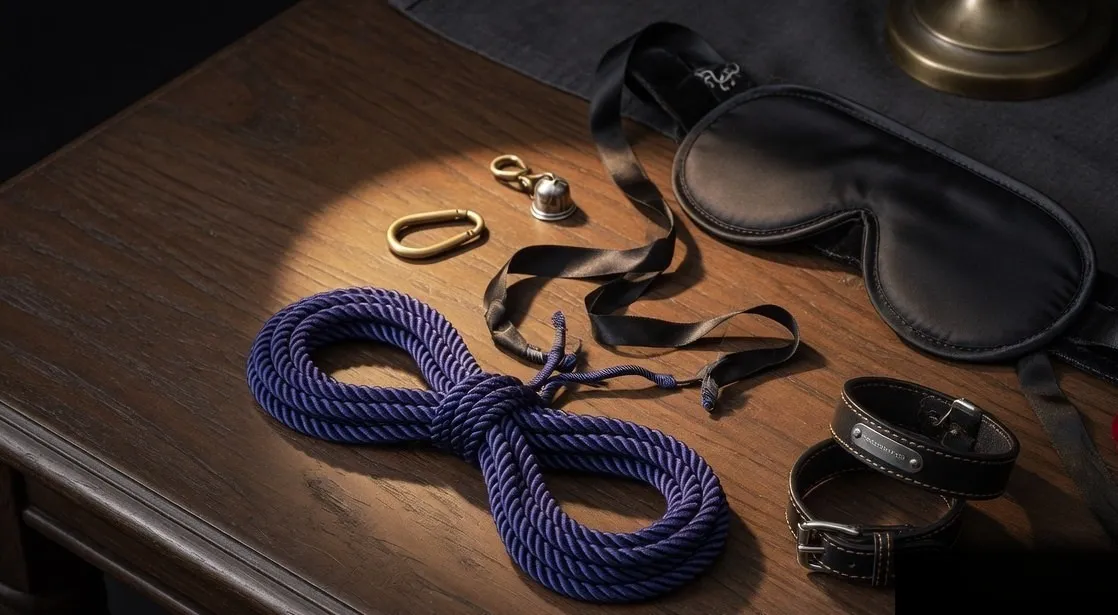
The main types of bondage are cuffs, soft ties, bondage tape, rope, Japanese-style rope such as shibari, and suspension, in rising order of skill and risk. Beginners are best served by simple, easy-to-remove options, while the more involved styles call for genuine training.
| Type | What it involves | Skill level |
|---|---|---|
| Cuffs | Padded wrist or ankle cuffs, often with quick-release buckles or clips. Forgiving and fast to remove. | Beginner |
| Soft ties and scarves | Silk, cloth, or fabric strips for light wrist or ankle binding. Gentle but can tighten, so watch knots. | Beginner |
| Bondage tape | Special tape that sticks to itself, not skin or hair. Quick to apply and cut away. | Beginner |
| Rope | Tying with rope to create ties or harnesses. Highly versatile but requires study to do safely. | Intermediate |
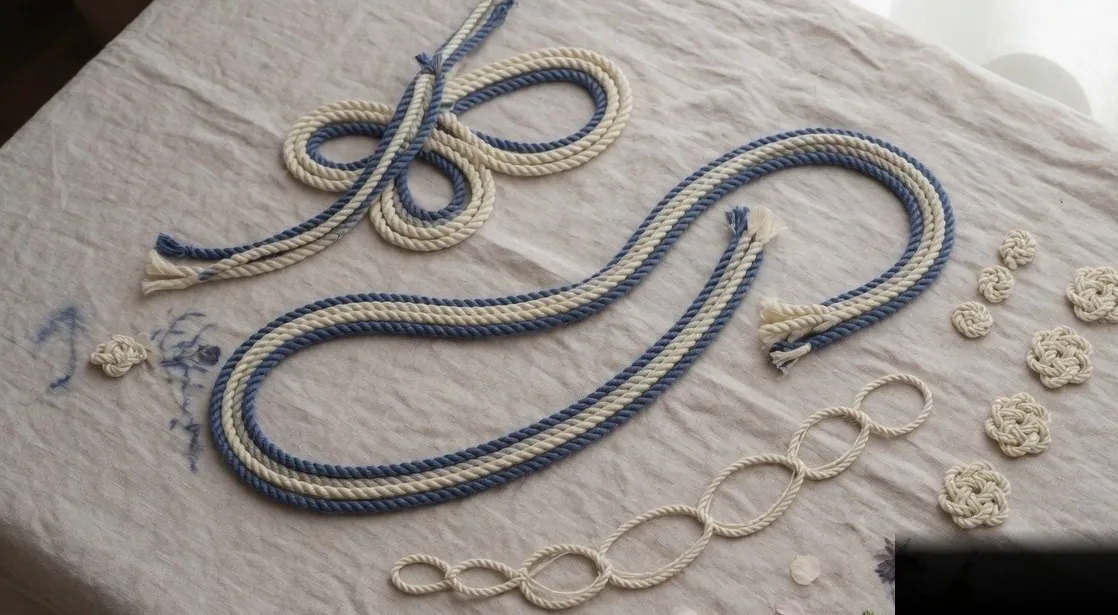
| Shibari / Kinbaku | Japanese-style decorative and artistic rope bondage with established patterns and aesthetics. | Advanced |
| Suspension | Lifting part or all of the body off the ground with rope. Carries serious risk and demands expert training. | Expert only |
If the artistic rope styles intrigue you, our guide to what shibari is goes deeper into that tradition. For everyone else the message is simple: start at the top of the table, not the bottom.
Cuffs and quick-release ties deliver most of the experience with a fraction of the risk, and there is no need to rush toward rope or suspension before the basics feel natural.
Is Bondage Safe?
Bondage can be very safe when done thoughtfully, but it is not risk-free: the two dangers every practitioner must respect are nerve compression and restricted circulation.
Both are physical and specific rather than vague, and understanding them is what separates responsible play from a trip to the emergency room.
- Nerve damage. Pressure on a nerve, especially around the wrists, the inner elbow, the upper arm, and behind the knee, can cause numbness, weakness, or tingling that may last days, weeks, or in rare cases longer. Nerve injury can happen quickly and is not always painful, so you cannot rely on the bound person feeling it in time.
- Loss of circulation. Restraints that are too tight, or left on too long, can cut off blood flow. Warning signs include skin turning pale, blue, or cold, and a pins-and-needles sensation.
- Positional risk. Some positions strain joints or restrict breathing. Never place anything across the front of the throat, and never restrain someone in a way that limits their airway.
The practical answer is to build in frequent checks. Slide a finger under any tie to confirm it is not too tight, ask the bound person to wiggle their fingers and toes, and watch for changes in skin color or temperature.
At any numbness, tingling, coldness, or color change, release the restraint immediately, however good the scene feels. When in doubt, untie.
What Are the Golden Safety Rules of Restraint Play?
The golden rules of restraint play are to never tie alone, keep safety shears within reach, agree on a safeword, stay sober, and know how to release a restraint before you use it.
Experienced practitioners treat these habits as non-negotiable, and beginners should adopt them from the first session.
- Never tie alone. The person doing the restraining must stay present and attentive for the entire scene. A partner who cannot free themselves and cannot call for help is in genuine danger, so never leave them unattended, even for a moment.
- Always keep safety shears within reach. Blunt-tipped emergency shears, often called EMT or trauma shears, cut through rope, tape, or cloth fast without nicking skin. Put them at the scene before you start, every time. If you cannot release a restraint in seconds, you should not be using it.
- Agree on a safeword first. Use a clear signal that pauses or ends the scene instantly, plus a non-verbal cue, such as a held object to drop, if the bound person may not be able to speak. Our guide to what a safeword is explains the options.
- Avoid intoxication. Alcohol and drugs dull judgment and mask the very warning signs, such as pain, numbness, and cold, that keep play safe.
- Know how to release before you bind. Practice undoing your knots or cuffs quickly before adding the pressure of a live scene.
None of these rules dampens the experience. A bound partner can only relax and let go when they trust that you can and will free them the instant it is needed.
What Gear Do Beginners Actually Need?
Beginners need very little gear: padded quick-release cuffs, bondage tape, a soft scarf, and, most importantly, a pair of safety shears. The smartest first kit is small, simple, and built around items that come off fast.
Buying the most dramatic-looking gear first is a common mistake, because ease of release matters far more than appearance.
- Padded cuffs with quick-release. Velcro or buckle cuffs spread pressure better than thin ties and can be removed in an instant, which makes them an ideal first purchase.
- Bondage tape. Because it sticks only to itself, it will not pull hair or skin, and it cuts away easily.
- Safety shears (EMT or trauma shears). The single most important item. They are inexpensive and make every other restraint safer.
- A soft scarf or tie. Fine for light wrist binding, but fabric can cinch tighter under pulling, so avoid tight knots.
If you later move on to rope, choose a beginner-friendly material and, ideally, learn from a hands-on class, a reputable instructional resource, or an experienced mentor rather than a single short video.
Technique is what keeps rope safe, and that knowledge is worth more than any piece of equipment. Whatever you buy, prioritize restraints you are confident you can remove in seconds under stress.
How Do Beginners Start Bondage Safely?
Beginners start bondage safely by talking first, agreeing on a safeword, and trying one simple, quick-release restraint in a short session. Restraint play heightens vulnerability, so the groundwork you lay beforehand shapes how good, and how safe, the experience is. A sensible roadmap:
- Talk before you tie. Discuss what appeals to each of you, any hard limits, relevant health issues such as joint or circulation problems, and how you will check in. A shared yes / no / maybe list makes this easier.
- Agree on a safeword and a non-verbal cue. Many couples use the traffic-light system: green for good, yellow for ease off or check in, red for stop now.
- Start light. Begin with simple wrist cuffs or a single quick-release tie. There is no need to attempt a harness on the first night.
- Keep the scene short at first. Shorter sessions limit how long any restraint is on and let you both learn the warning signs without pressure.
- Plan the release and the wind-down. Decide in advance how you will free your partner and how you will reconnect afterward.
Many beginners also find it helpful to learn alongside others. Kink community sites host discussion groups and beginner-friendly classes, and local munches, casual clothes-on social meetups in public venues, let you ask experienced people questions in a low-pressure setting.
Go at your own pace; restraint play has no quota, and confidence built slowly is confidence that lasts.
What Are the Common Myths About Bondage?
The most persistent bondage myths are that tighter is better, that real bondage requires complicated rope work, and that enjoying restraint is unhealthy; none of them is true.
Film and fiction tend to dramatize the look of bondage while ignoring the safety, so a quick reality check helps.
- Myth: tighter is better. A good tie is secure but never cuts off circulation or presses on nerves. You should always be able to slide a finger under it. Tightness is a risk, not a goal.
- Myth: you can leave someone tied up and walk away. A restrained partner must never be left alone. Staying present is a core safety rule, not an optional courtesy.
- Myth: real bondage means rope and complicated knots. Simple cuffs or tape deliver the same psychological experience with far less risk, and many seasoned players prefer them.
- Myth: if it hurts, that is normal. Sharp pain, numbness, tingling, or coldness are warning signs to stop, not part of the experience.
- Myth: being into bondage is unhealthy. Enjoying restraint is a common, normal variation in human sexuality, and research finds kink-interested people to be as psychologically healthy as anyone else.
Understanding what restraint play actually is, and is not, is the foundation for exploring it safely and without shame.
Exploring Restraint Themes in AI Roleplay
AI roleplay lets adults explore the emotional side of restraint, such as trust, surrender, and anticipation, in words and without physical risk, but it teaches nothing about restraining a real person safely.
For many people, a story is a low-pressure way to work out which part of bondage actually appeals before raising it with a partner.
What AI Roleplay Is Useful For
- Finding the appeal. Is it being held still, the trust involved, or the role of the person in control? A few scenes can clarify that, which makes the real conversation easier.
- Rehearsing the language. Practice check-ins ("how do your hands feel?"), a traffic-light safeword, and a short negotiation before you ever have one in person.
- Matching the app to the idea. Community character-chat apps such as SpicyChat AI have huge libraries that include dominant and submissive archetypes, and you can build a private character with your own scenario. Companion apps such as Candy AI offer pre-built dominant and submissive personas plus a custom character creator.
Where It Stops
Write consent into the scenario from the start. Both apps prohibit content involving minors and real-person impersonation; SpicyChat AI bars non-consent framed as endorsement, and Candy AI enforces a rule against non-consent themes.
A consensual, clearly adult framing is both the ethical choice and the one these platforms support.
Most importantly, nothing on a screen can check circulation, spot a compressed nerve, or cut a partner free. Physical bondage needs a real, consenting partner, safety shears within reach, and every safety rule on this page.
Frequently Asked Questions
Yes, with sensible precautions. Beginners who start with padded, quick-release cuffs, agree on a safeword, keep shears nearby, and check hands and feet regularly avoid most problems. Rope and suspension carry more risk and are best learned later, ideally from an experienced teacher in person.
A soft scarf or fabric tie works for light wrist binding. Keep knots loose, watch for fabric cinching tighter under tension, and have shears ready to cut it free. Purpose-made cuffs and bondage tape are inexpensive and much easier to remove quickly.
There is no safe fixed time, because position, tightness, and each person's body all change the answer. Keep early sessions short, check sensation and skin color often, and release straight away at any numbness, tingling, coldness, or color change.
Bondage is the broad category of consensual restraint using any material, from cuffs to tape. Shibari, also called kinbaku, is a specific Japanese style of rope bondage known for decorative patterns and an emphasis on the connection between the people involved.
Shears let you free a partner in seconds if a knot jams, circulation drops, or panic sets in. Blunt-tipped EMT or trauma shears cut rope, tape, and cloth without nicking skin, which is far faster and safer than fumbling with knots under stress.
Look for hands-on classes, reputable instructors, and experienced mentors, especially before trying rope. Local kink groups and munches, which are casual social meetups in public venues, are welcoming places to ask questions. A single short video is not enough to learn rope safely.
Wrapping Up
Bondage is one of the most accessible corners of kink, and it rewards patience. The thrill comes from trust, and that trust is earned through preparation: honest negotiation, a safeword everyone honors, restraints you can remove in seconds, and constant attention to nerves and circulation.
Never tie alone, keep safety shears within reach, and release at the first sign of numbness, tingling, or cold. Start with cuffs or a quick-release tie before reaching for rope, and plan how you'll reconnect once the restraints come off.
Our guide to aftercare in BDSM covers that step.