The Short Answer
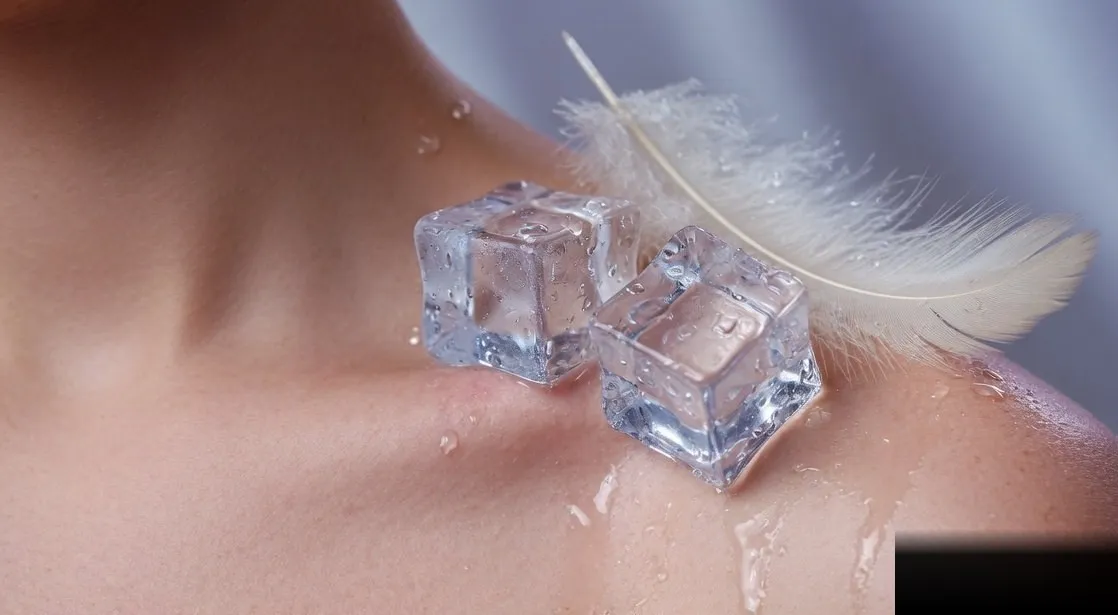
Sensation play is a form of consensual play that heightens the sense of touch using contrasting textures, temperatures, and pressures, such as a feather, an ice cube, silk, or body-safe low-temperature wax. It is one of the lowest-risk ways to explore kink: it needs little gear, just a safeword and simple precautions like testing temperature on your own skin first.
At its heart, sensation play narrows attention to pure feeling: a fingertip, a chill, a brush of fur, the warmth of breath. It rewards slow attention rather than intensity, which is why it is so often recommended as a first step for the kink-curious.
This page is for adults who want to add novelty to intimacy or explore kink gently.
It covers light versus intense sensation, the four main types of sensation, household items you can start with, temperature safety for ice and wax, consent and safewords, and the difference between imagining sensation in AI roleplay and practicing it with a real partner.
The information is practical, non-judgmental, and focused on keeping play safe and consensual.
What Is Sensation Play?
Sensation play is the consensual practice of deliberately stimulating a partner's sense of touch to heighten pleasure, anticipation, and awareness.
Rather than focusing on intensity or pain, sensation play is about variety and contrast: soft and rough, warm and cold, light and firm, alternated so the skin and nervous system stay alert and surprised.
The umbrella ranges from the barely-there tickle of a feather to the focused warmth of body-safe wax.
Sensation play is beginner-friendly because it needs almost no special equipment and very little technique. Many of the best tools are already in your home, and the main skill is patience: moving slowly, building anticipation, and reading your partner's reactions.
Because the activities can be kept extremely gentle, sensation play is one of the lowest-risk corners of kink and a common starting point for people exploring it for the first time.
Sensation play overlaps with other kinks but stands on its own. It can be a relaxing, sensual experience by itself, or part of a wider scene alongside bondage or power exchange.
You don't need to identify as kinky to enjoy it; at its mildest, it is simply mindful, playful touch.
What Is the Difference Between Light and Intense Sensation?
Light sensation is soft and teasing, using things like feathers and fingertips, while intense sensation is sharper and more focused, using things like ice, a pinwheel, or wax.
The same activity can sit in either camp depending on how it is done, and knowing the difference helps you choose what to try first.
- Light sensation is soft, teasing, and pleasurable: feathers, silk, fingertips, warm breath, or a soft brush gliding over the skin. The goal is anticipation and gentle stimulation, and the risk is minimal. Almost everyone should begin here.
- Intense sensation is sharper: ice, a pinwheel (a small spiked roller), gentle scratching, or warm wax. Intense sensation is not the same as pain play, but it sits closer to that border and calls for more care, communication, and attention to safety.
The defining skill in sensation play is contrast. Alternating light and intense, or warm and cold, makes each sensation feel stronger than it would alone: a cold ice cube followed by a warm hand, or a soft feather after a firm scratch.
The nervous system responds strongly to change, so variety is often more effective than relentless intensity. Beginners can get a long way simply by mixing two or three contrasting textures and temperatures.
What Are the Main Types of Sensation Play?
The four main types of sensation play are texture, temperature, pressure, and sensory restriction. Each engages the body differently, and most scenes combine two or more for contrast and surprise.
| Type | What it explores | Beginner examples |
|---|---|---|
| Texture | How different surfaces feel against the skin | Feather, fur, silk, lace, a soft brush, fingertips |
| Temperature | Contrast between warm and cold | Ice cubes, warm breath, a heated massage stone, low-temperature wax |
| Pressure | Light versus firm contact and pinpoint touch | Light scratching, a Wartenberg pinwheel, a firm massage, gentle nails |
| Sensory restriction | Removing one sense to amplify the others | A blindfold, earplugs or soft music, light restraint |
Sensory restriction deserves special mention because it multiplies everything else. A simple blindfold is one of the most powerful and inexpensive tools in sensation play.
When the receiving partner cannot see what is coming, every touch lands harder, anticipation builds, and the experience becomes more immersive. Adding a blindfold to even the gentlest texture play can transform it entirely.
What Household Items Can You Use for Sensation Play?
You can start sensation play with items you already own: a feather, a makeup brush, a silk scarf, ice cubes, a chilled spoon, and a sleep mask.
There is no need to buy specialist gear for a first session; that can come later, if you want it.
- Texture: a feather or feather duster, a makeup brush, a silk scarf, a piece of fur or fleece, or a dry sponge. Each feels strikingly different drawn slowly across the skin.
- Temperature: ice cubes, a warm (not hot) mug pressed gently to the back, or a metal spoon chilled in cold water. Always test temperature on your own inner wrist first.
- Pressure: your own fingernails for light scratching, a hairbrush, or a pastry brush for a firmer sweep.
- Restriction: a sleep mask or folded scarf as a blindfold, and a soft scarf or necktie for very light wrist restraint.
If you later decide to invest, popular beginner purchases include a Wartenberg pinwheel and low-temperature massage candles, which are formulated to melt at a much cooler temperature than ordinary candles so the wax feels warm rather than burning.
Whatever you use, start with what is gentle and familiar, and add novelty gradually as you both grow more confident.
How Do You Do Temperature Play Safely?
Safe temperature play means keeping ice moving, testing every warm item on your own skin first, and using only low-temperature wax made for body play. Ice and wax are the two most common tools, and each has simple rules that prevent accidents.
Ice and cold. Keep ice in motion rather than holding it in one spot for long; prolonged contact with very cold objects can damage skin in a similar way to a burn.
Keep a towel handy for meltwater, avoid the eyes and any broken skin, and let your partner warm up between rounds. Cold paired with warm breath or a warm hand creates a contrast far stronger than either alone.
Wax. Never use ordinary household, scented, or beeswax candles, which burn far too hot.
Use only candles designed for body play, labeled low-temperature or massage candles.
Even then, test a drop on your own inner forearm first, drip from a height of at least 30 to 45 centimeters so the wax cools on the way down, and keep it away from the face, eyes, and genitals.
Avoid wax for anyone with very sensitive skin or relevant medical conditions, and have a way to remove it and soothe the skin afterward. When in doubt, drip higher and cooler.
Used carefully, warm wax is a vivid, sensual experience; used carelessly, it can cause a real burn. Our guide to wax play goes into more detail.
How Do Consent and Safewords Work in Sensation Play?
Sensation play needs the same consent basics as any kink: a short conversation beforehand, a safeword, and regular check-ins, even when the play is gentle.
Talk about what each of you is curious to try, any areas of the body that are off-limits, and any allergies or skin sensitivities, since latex, certain fabrics, or fragrances can all cause reactions.
Agree on a safeword before you begin. Many couples use the traffic-light system: green means keep going, yellow means ease off or check in, and red means stop immediately.
A blindfold or restraint makes the safeword matter even more, because the receiving partner is relying entirely on your attention. Check in with a simple "how is this?" and watch body language as well as words.
- Start gentle and escalate slowly. Begin with the lightest version of anything new and increase only with clear, enthusiastic consent.
- Avoid sensitive zones at first. Keep early sessions to the back, arms, and legs before exploring more delicate areas.
- Mind hygiene. Clean any tool that touches the skin, and never share items that contact bodily fluids without proper cleaning.
These habits scale down neatly to the gentlest scene and scale up to anything more intense you explore later.
Why Is Sensation Play a Good Introduction to Kink?
Sensation play is one of the most recommended first steps into kink because it carries low physical and emotional risk, needs no special equipment, and builds the communication skills that more advanced play relies on.
Its low barrier lets nervous beginners explore without feeling overwhelmed or out of their depth.
Sensation play teaches you to communicate clearly, read a partner's reactions, negotiate limits, and use a safeword in a relaxed, low-stakes setting. Those habits transfer directly to anything you might explore later, from impact play to power exchange.
Many experienced practitioners still return to sensation play because of how intimate and connecting it can be.
Sensation play is also versatile. It can be a complete experience in itself, a gentle warm-up to a longer scene, or a sensual layer added to massage or foreplay.
Whether you want something soft and romantic or sharper and more intense, the same toolkit adapts. Go at the pace that feels right for both of you.
Sensation Play in AI Roleplay: Fantasy vs Physical Practice
AI roleplay can help you imagine sensation play and put your curiosity into words, but touch, temperature, and pressure only exist in physical practice with a real, consenting partner.
The gap between the two is the point: a story can build anticipation, while real skin is where the safety rules apply.
One sensible way to use an AI companion is as the first step in a sequence like this:
- Imagine. Describe a slow, contrast-driven scene to a companion character (feather then fingertips, cool then warm) and notice which ideas appeal. Keep the focus on sensation and mood rather than graphic detail.
- Make a list. Turn what you liked into a yes / no / maybe list. Memory-focused companions such as Nomi AI are built to recall your stated preferences across sessions, and Nomi lets you seed a companion with backstory and shared notes it carries forward.
- Say it out loud. Voice features on apps such as Kindroid can make the words ("how does this feel?", "green", "yellow") less awkward to say before you say them to a person.
- Talk, then try. Take the list to your partner, agree on a safeword, and start with the gentlest item on it.
What an AI cannot do is test wax on an inner forearm, notice skin reddening under ice, or feel a partner flinch. Those checks belong to the physical session. Keep roleplay characters fictional and adult; both apps above block content involving minors.
Frequently Asked Questions
No. Sensation play focuses on variety and contrast in touch, temperature, and texture, and most of it is gentle. Pain play deliberately uses discomfort.
A few intense tools, such as a pinwheel or wax, sit near that border, so they call for extra communication and care.
No. A feather, an ice cube, a silk scarf, and a sleep mask are enough for a first session. Optional upgrades such as a Wartenberg pinwheel or low-temperature massage candles can come later, once you know what you and your partner enjoy.
Yes, when done sensibly. Test temperatures on your own skin first, keep ice moving, use only body-safe low-temperature wax, avoid broken skin and the eyes, check for allergies to materials or fragrances, and agree on a safeword before you begin.
A blindfold plus a feather or fingertips on the back and arms is a classic first scene. The blindfold amplifies every touch and builds anticipation, while the gentle textures carry essentially no risk. Add a cool-and-warm contrast once you are both comfortable.
No. Sensation play can be entirely sensual and non-genital: relaxing intimacy, part of a massage, a warm-up, or a standalone experience. Partners decide together what a session includes, and keeping it purely about touch and connection is completely fine.
Yes. Exploring textures and temperatures on your own skin is a low-pressure way to learn what you enjoy before sharing it with a partner. The same safety rules apply: test heat and cold carefully, and never use ordinary candles for wax.
Wrapping Up
Sensation play shows that kink doesn't have to be intimidating, expensive, or extreme to be rewarding.
By slowing down and paying attention to touch, temperature, and texture, two consenting partners can make an ordinary evening memorable with little more than a feather, an ice cube, and a blindfold.
The rules of all responsible kink apply in miniature: talk before you touch, agree on a safeword, start gentle, and check in often. Let the goal be discovery rather than performance.
When you're ready for warmer sensations, read our guide to wax play before you light a candle.