The Short Answer
Shibari is a Japanese style of rope bondage in which one person ties a willing partner with rope to create patterns on the body for aesthetic, sensory, and emotional effect. The word means 'to tie' or 'to bind', and it is closely related to kinbaku. Nerve safety, safety shears, and in-person instruction come first.
Shibari treats rope as a medium rather than just a restraint: the person tying composes lines and tension across the body, while the person being tied experiences the rope as sensation, surrender, and connection.
This page is for adults curious about the art, whether you want to tie, be tied, photograph it, or simply understand the vocabulary.
It covers where shibari comes from and how it relates to kinbaku, the balance between aesthetics and function, why floor work and suspension carry very different risks, why nerve safety is the most important thing to learn, the roles of rigger and rope bottom, and how AI image tools fit in as a way to explore the look, never as instruction. Everything here is educational and judgment-free.
What Is Shibari?
Shibari is the Japanese art of decorative and functional rope bondage, in which one person ties another to create patterns on the body for aesthetic, sensory, and emotional effect.
The Japanese word simply means 'to tie' or 'to bind.' Over the past several decades it has become the most common English-language label for this style of rope work, although Japanese practitioners often use other terms.
Intention is what distinguishes shibari from ordinary tying. The rope is not just a tool for holding someone still; it is a medium of expression and communication.
The person tying thinks about line, symmetry, tension, and how the rope frames the body, while the person being tied focuses on sensation, breath, and the feeling of being held.
Many people describe a good rope scene as meditative or trance-like for both partners, a state the community sometimes calls 'rope space.'
You do not have to be sexual, kinky, or partnered in a particular way to enjoy shibari. Some people practice it as performance art or photography, others as a form of mindful connection, and others as part of BDSM and power exchange.
Like the wider world of kink, shibari is a menu of possibilities rather than one fixed activity.
What Is the Difference Between Shibari and Kinbaku?
Shibari and kinbaku are often used interchangeably in English, but in Japanese shibari means 'to tie' in general, while kinbaku ('tight binding') emphasizes the intimate, emotionally charged connection between the people involved. Knowing the distinction helps you find good teachers and reputable communities.
| Term | Literal sense | Emphasis |
|---|---|---|
| Shibari | To tie / to bind | The general act of tying; commonly used in the West as the umbrella word for Japanese rope bondage. |
| Kinbaku | Tight binding | The intimate, emotionally charged, often erotic practice, where the connection between rigger and partner is central. |
| Kinbakushi | One who does kinbaku | A traditional term for a skilled rope artist; 'bakushi' is also used. |
In practice, many educators treat kinbaku as the deeper, relationship-focused heart of the art and shibari as the broader, more aesthetic-friendly word.
The practice traces its modern roots to Japan, with influences attributed to hojojutsu, the historical martial art of restraining prisoners with cord, reinterpreted through twentieth-century theatre, photography, and erotic art into the expressive form practiced today.
You don't need to master the terminology to enjoy rope, but knowing the words opens doors.
Aesthetics vs Function: What Makes a Good Shibari Tie?
A good shibari tie balances how it looks with what it does, and when the two conflict, safety always wins over the photograph. Every tie prioritizes its appearance, its function, or some blend of the two.
- Aesthetic ties are composed for visual beauty: clean parallel lines, symmetry, and the way rope frames the torso, hips, or limbs. These are the images most people picture when they think of Japanese rope bondage.
- Functional ties are about what the rope does: holding a position, limiting movement, or supporting weight. A harness that must bear load is engineered very differently from one meant purely to be photographed.
The two goals often overlap, but they can also clash. A pattern that looks striking in a photo might place rope exactly where it threatens a nerve, while a mechanically sound tie might look plain.
Skilled riggers learn to satisfy both, making a tie that is safe to wear and beautiful to see. When they cannot, they choose safety.
That choice is one of the clearest markers of an experienced practitioner, as opposed to someone chasing an image at their partner's expense.
Floor Work vs Suspension: Why Does Height Change Everything?
Floor work keeps the person being tied supported by the ground, while suspension lifts part or all of the body off it, and the gap in risk between the two is enormous. Understanding that gap explains why responsible learning is so sequential.
Floor work, sometimes called newaza, keeps the rope bottom on the ground or another supportive surface. Because the floor carries their weight, the consequences of a poorly placed rope are far smaller, although nerve and circulation risks still exist.
Almost everyone should spend a long time here before considering anything more advanced.
Suspension uses rope and a rigging point to lift the body.
Suspension is visually dramatic and popular in imagery, but it is genuinely high-risk: it concentrates large forces on small areas, sharply raises the stakes of nerve compression, and adds hardware and rigging failure points that can cause serious injury or worse.
Suspension is an advanced discipline to attempt only after extensive in-person training and a great deal of floor experience.
No article, including this one, can teach you to suspend safely, and treating online photos as instructions is one of the most dangerous mistakes a beginner can make.
Is Shibari Safe? Why Nerve Safety Comes First
Floor-based shibari can be reasonably safe in knowledgeable hands, but the most common serious injury in rope bondage is nerve damage from compression, so understanding nerves is non-negotiable before you tie anyone.
Rope placed over a nerve, especially where nerves run close to the skin, can cause numbness, tingling, weakness, or in the worst cases lasting injury. Most nerve injuries are preventable with knowledge and attention.
- Learn the danger zones. Some areas, such as the outer upper arm where the radial nerve runs near the surface, are notoriously vulnerable. Educators teach you to keep rope away from these spots and to spread load across wider, safer areas.
- Watch for the warning signs. Numbness, pins-and-needles, a cold or discolored hand, weakness, or a sudden loss of grip all mean act now. Tingling that does not resolve quickly when you adjust the rope means the tie comes off.
- Keep safety shears within reach. Blunt-tipped EMT shears that can cut rope off a body in seconds are mandatory, every single time. If something goes wrong, you cut; you do not fumble with knots.
- Communicate continuously. The person being tied reports sensation changes immediately, and the rigger checks in often. A nerve injury is far easier to prevent than to treat.
Circulation matters too, but nerves are the bigger long-term concern: a limb can tolerate reduced blood flow for a while, whereas nerve compression can cause damage faster than many beginners expect. None of this should scare you away from rope.
The risks should simply convince you to learn from qualified people rather than from pictures.
What Do the Rigger and the Rope Bottom Do?
In shibari, the rigger ties and is responsible for technique and monitoring, while the rope bottom is tied and actively reports sensation; both roles are essential. Rope is a partnership, not something one person simply does to another.
- The rigger (or rope top) is the person tying. They are responsible for technique, rope placement, watching their partner's body and feedback, and keeping safety shears ready. A good rigger puts their partner's wellbeing ahead of the look of the tie.
- The rope bottom (or model) is the person being tied. The role is active: they communicate sensation, report any numbness or tingling, manage their breathing and position, and can stop the scene at any time. An experienced bottom's feedback is one of the rigger's most valuable safety tools.
For more on the responsibilities, skills, and ethics of the tying role, see our guide to what a rigger is in BDSM.
Both roles rest on the same foundation as all responsible kink: clear negotiation beforehand, a safeword everyone honors, ongoing check-ins, and aftercare once the rope comes off. Many people find the trust and communication that rope demands as rewarding as the ties themselves.
How Do You Start Learning Shibari Safely?
The safest way to learn shibari is slowly and in person: start with floor ties, learn nerve anatomy first, and practice under qualified teachers rather than copying photographs. A sensible beginner roadmap looks like this:
- Start on the floor. Spend your early time on floor work and simple ties. Master a few foundational single-column and two-column ties before combining them.
- Learn nerve anatomy first. Before any elaborate harness, understand where the danger zones are and how nerve trouble feels. That knowledge prevents the most common injuries.
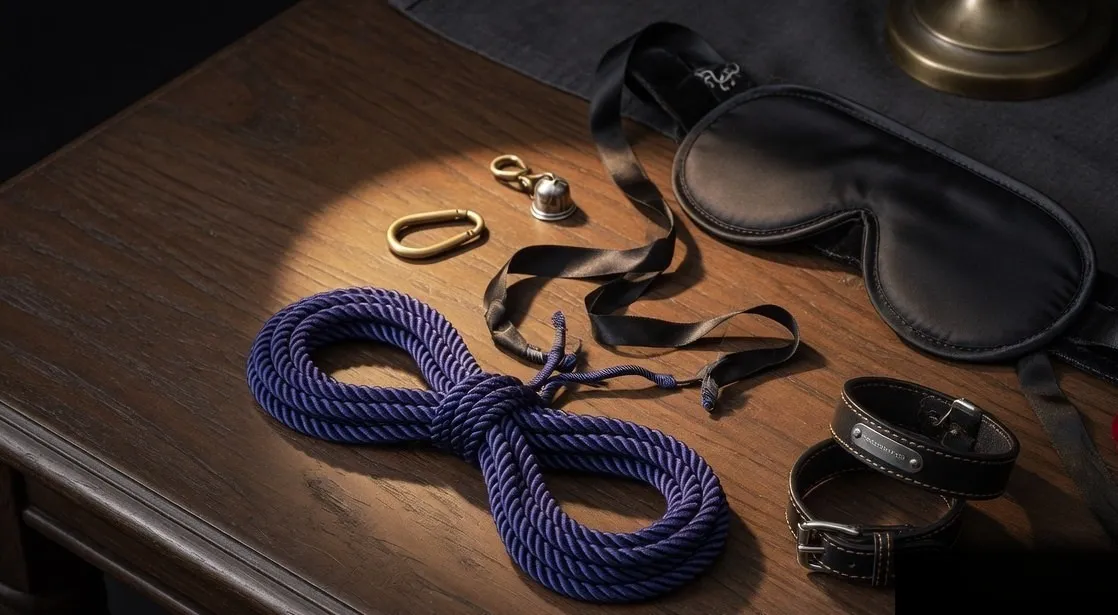
- Get proper rope and shears. Many practitioners favor natural-fiber rope such as jute or hemp in standard lengths, though softer cotton is gentler for absolute beginners. Keep blunt-tipped safety shears within arm's reach.
- Learn from qualified educators. In-person classes, reputable workshops, and experienced mentors are far safer than photographs. Local rope groups and 'rope jams' welcome newcomers and offer supervised practice.
- Never tie alone or rush to suspend. Keep a sober, attentive presence in the room while learning, and treat suspension as a distant, advanced goal that requires real training.
Kink community sites and local munches can help you find teachers, events, and rope-specific groups near you. Wherever you start, go at your own pace: there is no quota to hit and no prize for tying fast.
Can AI Image Tools Help You Explore the Shibari Aesthetic?
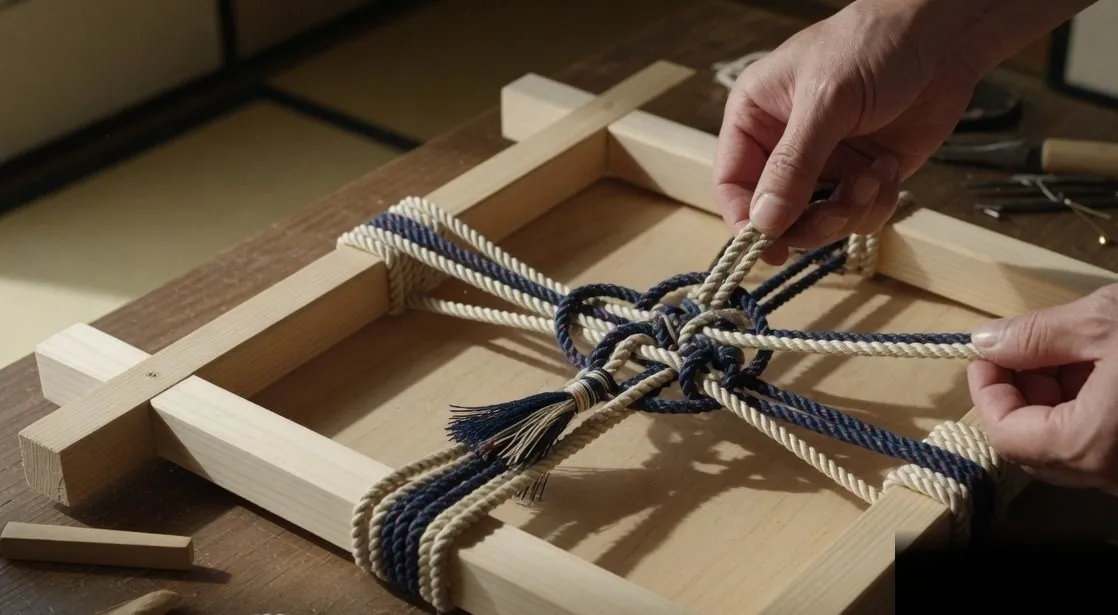
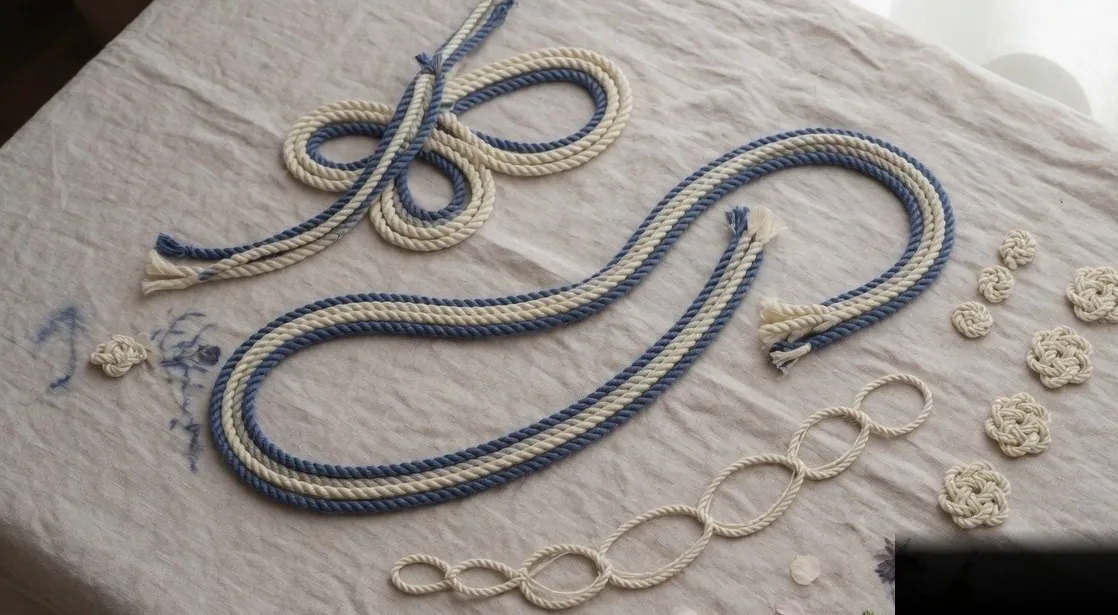
AI image generators can help adults explore the visual side of shibari, such as the geometry of lines, the texture of natural-fiber rope, and the mood of rope photography, but a generated image is never a guide to where rope can safely go on a real body.
Photography helped shape shibari's modern form, and many people are drawn to the look long before they touch a rope.
Image-first tools suit this better than chat apps. SoulGen creates photorealistic, anime, and stylized images and lets you steer pose, outfit, setting, lighting, and expression.
Promptchan AI offers anime and realistic styles, pose controls, and inpainting for editing one area of an image. Both are 18+ tools.
- Build a mood board. Collect the colors, settings, and compositions you find beautiful, so you can explain what draws you to a teacher or partner.
- Learn the vocabulary alongside it. Pair images with the terms on this page, such as floor work, suspension, rigger, and rope bottom, so a first class makes sense.
- Keep every image fictional. SoulGen blocks real-person impersonation, and Promptchan AI's terms rule out non-consensual deepfakes of real people. Never use a real person's likeness, and keep every character clearly adult.
The limits are firm. AI images often get fine detail wrong (our Promptchan AI review notes artifacts in hands and complex scenes), and a generator has no idea where the radial nerve runs.
Copying a generated tie is riskier than copying a photograph. Real rope needs in-person training, a consenting partner, and safety shears within arm's reach.
Frequently Asked Questions
Not necessarily. Shibari can be part of BDSM and power exchange, but many people practice it as performance art, photography, or a meditative form of connection with no power dynamic at all. The people involved decide what a rope scene means for them.
Shibari can be sexual, but it doesn't have to be. Many rope scenes involve no sexual contact and focus on sensation, trust, or aesthetics.
Partners should agree in advance what a session will and won't include, just as they would for any other kind of play.
Shibari is never risk-free. Nerve compression is the main hazard even on the floor, and suspension is genuinely high-risk. Learning from qualified teachers, communicating constantly, checking hands and limbs often, and keeping shears within reach are what keep rope as safe as it can be.
Many practitioners favor natural-fiber rope such as jute or hemp, while softer cotton is gentler for absolute beginners. The rope matters far less than learning correct placement and nerve safety, so prioritize a class or workshop before building a large rope collection.
Quality educational sources can introduce basic floor ties, but suspension and advanced ties should never be learned from images or clips alone. Pictures show the finished result, not the safety checks behind it. In-person instruction and supervised practice at rope groups are strongly recommended.
Rope space is the community's name for the calm, focused, sometimes trance-like state a good rope scene can produce in either partner. Because it can leave people floaty or tired afterward, a gentle wind-down with water, warmth, and a check-in is part of good practice.
Wrapping Up
Shibari is best understood as a collaborative art: a slow conversation between rigger and partner conducted through rope, tension, and trust.
Its beauty is inseparable from its safety, and a tie that looks stunning but presses on a nerve or stops circulation is a failed tie.
Learn single ties thoroughly before combining them, stay on the floor, keep safety shears within reach, never tie alone, and let your partner's feedback matter more than any photograph. If you're new to restraint in general, start with our beginner's guide to bondage.