The Short Answer
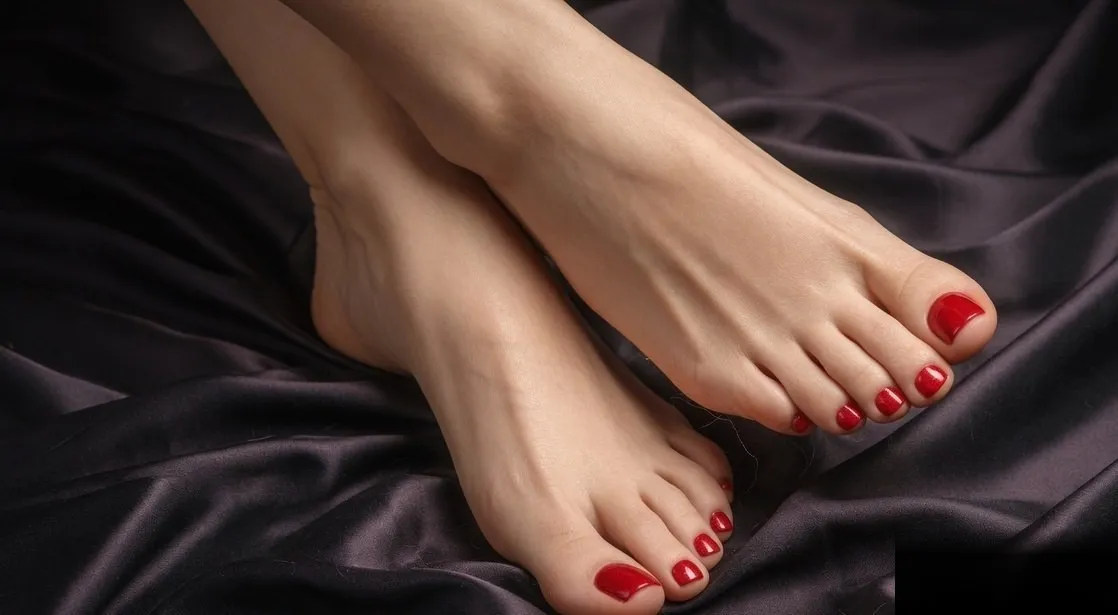
A foot fetish, clinically called podophilia, is a sexual interest in feet, toes or footwear that ranges from a mild preference to a central part of someone's arousal. It is the most commonly reported fetish for a body part not usually seen as sexual, and it's considered a normal variation when explored with consent.
If feet genuinely appeal to you, you are in large company, and there is a well-known neurological theory for why.
This guide explains what a foot fetish is, how common it is, the brain-map theory most often used to explain it, and how the fetish differs from foot worship.
It then covers the practical side: low-pressure ways to explore the interest, how to bring it up with a partner, hygiene and safety basics, and how some adults explore it through AI character chat and 18+ image tools, including the lines those platforms draw.
Everything here is educational and non-graphic, and it assumes the thing that matters most: every person involved is a consenting adult.
What Is a Foot Fetish?
A foot fetish, known clinically as podophilia, is a sexual interest in feet that ranges from a mild preference to a strong focus central to someone's arousal. Sexologists call it a partialism: attraction to a specific body part rather than to the whole person.
The interest can attach to many features or just one, such as arches, soles, painted toenails or ankles, to how feet look in heels, sandals or socks, or to specific actions like massage.
A fondness for feet is not the same as a clinical disorder. Mental-health guidelines only treat a fetish as a disorder if it causes significant distress or impairment, or involves non-consenting people.
For the overwhelming majority of people, a foot fetish is simply an extra source of pleasure they enjoy with willing partners. For how the wider terms fit together, see our guide to what a fetish is.
People express the interest in many ways. Some love giving foot massages, some are drawn to footwear and hosiery, some enjoy photos, and others build it into power-exchange dynamics.
None is more legitimate than another. The common thread is that feet, footwear or foot-related sensation reliably spark arousal.
Is a Foot Fetish the Most Common Fetish?
Yes, a foot fetish is consistently the most reported fetish involving a body part not usually seen as sexual. When researchers analyse online communities and survey data, feet and foot-related objects come out well ahead of any other body part.
The interest is reported more often by men, though plenty of people of every gender share it.
- It tops the rankings. Reviews of fetish-focused communities repeatedly find feet to be the most common target of partialism by a large margin.
- It is widespread, not fringe. A meaningful share of the general population reports some erotic interest in feet, even if they have never called it a fetish.
- It overlaps with footwear. Interest in shoes, heels, socks and stockings often travels alongside interest in feet themselves.
How common the interest is matters because it pushes back on shame. Something that consistently tops the surveys is, by definition, not strange, and knowing that often makes it far easier to talk about with a partner.
Why Are Foot Fetishes So Common?
The most cited explanation for why foot fetishes are so common is the brain-map theory, also called the cortical-homunculus theory.
The brain holds a sensory map of the body, and on the classic version of that map the region that processes the feet sits right next to the region that processes the genitals.
The idea is that this adjacency allows a kind of crossover, so that foot sensation and sexual arousal become linked.
The theory was popularised by neuroscientist V. S.
Ramachandran, who noted that the same neighbouring layout could help explain why some people feel phantom sensations in unexpected places.
Applied to fetishes, it offers a neat reason why feet, of all the body parts not usually seen as sexual, are the runaway favourite: they are the closest neighbour on the map.
| Concept | What it means |
|---|---|
| Cortical homunculus | A map in the brain where each body part has a dedicated processing region |
| Adjacency | On that map, the foot region sits beside the genital region |
| Crossover | Signals from neighbouring regions may blend, linking foot sensation with arousal |
| Result | Feet become the most common focus of this kind of interest |
The science deserves an honest caveat: the brain-map theory is the best-known explanation, not a proven certainty. Other factors likely contribute, including early positive associations, learned conditioning, the cultural framing of feet as private or taboo, and simple individual variation.
Most experts see the interest as a normal product of how brains and experiences combine.
What Is the Difference Between a Foot Fetish and Foot Worship?
A foot fetish is the underlying attraction, while foot worship is a specific activity, usually within a power dynamic, in which one person attentively and reverently cares for another's feet. The two terms are often used interchangeably, but they describe different things.
The distinction matters because the fetish can be expressed in many ways that have nothing to do with submission. Someone might simply love giving relaxed foot rubs, appreciate how feet look in sandals, or enjoy pedicure-focused intimacy with no hierarchy at all.
Foot worship leans into a giving-and-receiving dynamic and often appears in dominant and submissive play, with the same negotiation and limits as any other scene.
For a wider look at how the words relate, our explainer on kink vs fetish breaks down the terminology in plain language. Knowing the vocabulary makes it much easier to describe what you actually want.
How Do People Explore a Foot Fetish?
Most people explore a foot fetish gradually, starting with low-pressure activities like massage and moving on only as both partners stay comfortable. Nothing elaborate is required, and most of it begins with conversation rather than equipment. A common progression looks like this:
- Massage and touch. A genuine foot massage is the most natural starting point: relaxing, intimate and easy to frame as something you both enjoy.
- Admiration and aesthetics. Pedicures, anklets or toe rings, and attention to footwear let the interest be appreciated visually first.
- Sensation play. Gentle touch, tickling, kisses or light pressure, always with feedback about what feels good.
- Photos. Many couples enjoy taking foot photos together. Agree first on who keeps them, where they are stored and that they are never shared without consent.
- Power-exchange play. For some, foot worship within a dominant or submissive dynamic adds a psychological layer to the physical interest.
Whatever route you take, go at a pace that feels good and keep checking in with anyone involved. Moving to the next step is always optional, and plenty of couples happily stay with the first two.
How Do You Tell a Partner About a Foot Fetish?
The best way to tell a partner about a foot fetish is an honest, low-pressure conversation in a relaxed moment, framed as sharing something you enjoy rather than confessing a problem.
Lead with curiosity, and make clear there is no pressure to do anything they are not into.
- Normalise it. Mention that foot fetishes are extremely common and have a well-known neurological explanation, so your partner understands the interest is ordinary.
- Be specific but open. Explain what appeals to you, whether massage, footwear or something else, and invite your partner to share their own comfort level.
- Respect a no. Enthusiastic consent is essential. If a partner is not interested in a particular activity, that boundary is final, and there are usually other things you can both enjoy.
- Start small. Suggest something simple, such as a foot massage, rather than the most intense version of the fantasy.
Plenty of partners are happy to take part once they understand the interest is harmless and that their boundaries will be respected. Even a partner who does not share the fetish may be glad to join in lighter ways.
Honesty, patience and zero coercion are what turn a private interest into a shared pleasure.
Is Foot Play Safe?
Foot play is low-risk, and basic hygiene is the main thing to get right. Feet spend the day in shoes, so a quick wash beforehand keeps things pleasant and removes the most common turn-off.
- Wash first. Clean feet with soap and water before play, and keep nails trimmed and tidy.
- Watch for broken skin. Cuts, blisters, athlete's foot or warts can spread infection, so avoid mouth contact with feet when skin is broken or there is an active fungal issue.
- Go easy with pressure. In any stepping or trampling play, start light, communicate constantly, and keep weight off joints, the spine and the neck.
- Keep checking in. Ongoing communication is the real safety tool: respect limits and stop if anything stops feeling good.
Treated this way, a foot fetish is one of the gentlest and most accessible interests to explore.
Can You Explore a Foot Fetish With AI?
Adults explore a foot fetish with AI in two main ways: character chat, where the interest is part of a character and your shared scenes, and 18+ image generators, where it becomes a visual prompt.
Which suits you depends on whether the appeal is mostly the dynamic or mostly the look.
| Format | How people set it up | What to check |
|---|---|---|
| Companion app with memory, such as Kindroid | Character creation covers personality, backstory, appearance and behaviour directives, so a character who loves giving foot massages can be written in once and remembered. | Adult roleplay sits on paid settings, with model-level blocks on illegal themes, including anything involving minors. |
| Community character chat, such as SpicyChat | The public library already covers niche fetish archetypes, or you can build your own character with a scenario and keep it private. | Community characters vary in quality; a private character keeps your interest out of the public library. |
| 18+ image generator, such as SoulGen | Paid plans allow 18+ images, and controls for pose, outfit and setting let you steer footwear and framing. | Images stay private to your account by default and can be deleted. |
The line that matters most here: never upload or recreate a real person. SoulGen and SpicyChat both prohibit real-person impersonation, and generating images of a partner, an ex or a public figure without their consent is a serious breach of consent anywhere. Keep every character fictional and clearly adult.
What AI cannot replace is the person you might share this with. A chatbot cannot tell you how your partner feels about feet, and an image is not a substitute for asking.
Hygiene, pressure and physical comfort only matter, and only get negotiated, with a real, consenting partner.
Frequently Asked Questions
Yes. A foot fetish is the most commonly reported fetish for a body part not usually seen as sexual, and sexologists treat it as a normal variation of sexuality.
It is only considered a clinical concern if it causes significant distress or impairment, or involves anyone who has not consented.
The leading explanation is the brain-map theory: the brain regions that process the feet and the genitals sit next to each other, which may let the two become linked.
Learned associations, cultural taboos around feet and individual experience are also thought to play a part, and no single cause is proven.
Surveys consistently report higher rates of foot fetishes among men, though the reasons are not fully understood. People of every gender have the interest, and it is just as normal and valid whoever you are. What matters is consent, not who holds the interest.
Yes. Many people enjoy the interest privately, through fantasy, fictional characters or media made with everyone's consent. Having a foot fetish does not oblige you to act on it with anyone, and keeping it private is a perfectly healthy choice.
Choose a calm moment outside the bedroom, mention how common the interest is, and suggest one small, easy thing, such as a massage, rather than a long list.
Make clear their answer will not change how you feel about them, and accept a no without argument.
It can be, with simple precautions. Wash feet with soap and water beforehand, keep nails trimmed, and skip mouth contact if either person has cuts, blisters or a fungal infection. Communicate about pressure in any stepping play and stop if anything feels uncomfortable.
Wrapping Up
A foot fetish is one of the most ordinary, well-documented variations of human sexuality, not a problem to fix.
The brain-map theory offers a tidy explanation, and the practical side is refreshingly simple: talk openly, agree on what you both want, look after hygiene, and start with something low-pressure like a massage.
The only things that turn a harmless interest into a problem are secrecy, shame or ignoring a partner's boundaries, and none of those is part of the fetish itself.
When you are ready to raise it, our guide on how to talk to your partner about kink walks you through the conversation step by step.